
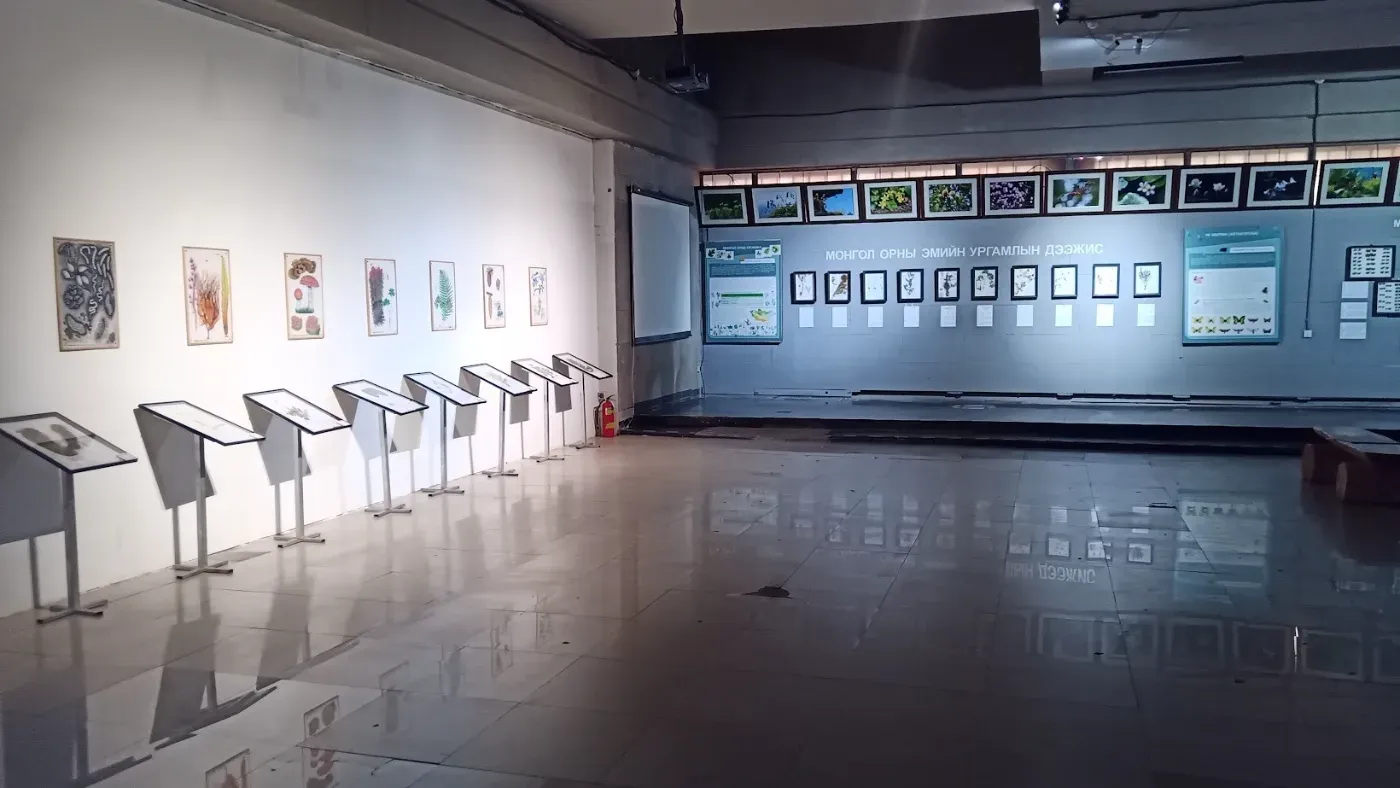
Plants Hall - Plants
Features of the vegetation of Mongolia's geographical belt, representatives of Mongolia's native and exotic plants, and samples of medicinal plants are exhibited. Features of the vegetation of Mongolia's geographical belt, representatives of Mongolia's native and exotic plants, and samples of medicinal plants are exhibited.
Бусад танхим
14 танхим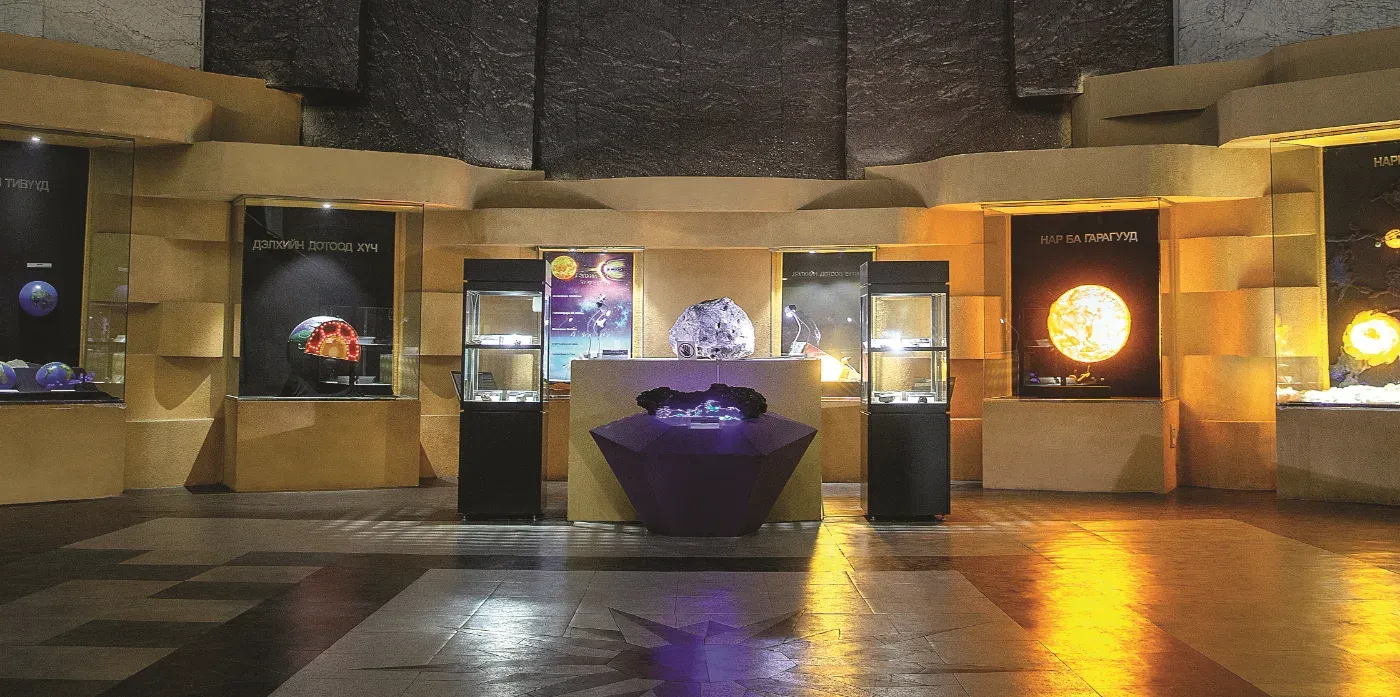
Formation And Evolution Of The Universe
This section presents the big bang theory of the origin of the universe, the origin of the solar system, the comparison of the size of the sun and the planets, meteorites, the core structure and crust of the earth; tectonic plate movement, volcanic eruptions, mountain formation, earthquakes, oceanic trenches and other geological processes; the continuous changes in the Earth's surface caused continents to move, collide, and merge to form supercontinents, which then broke apart and separated into many continents, and then merged again to form the current continents. The big bang theory of the origin of the universe, the origin of the solar system, the comparison of the size of the sun and the planets, meteorites, the core structure and crust of the earth; tectonic plate movement, volcanic eruptions, mountain formation, earthquakes, oceanic trenches and other geological processes are exhibited.
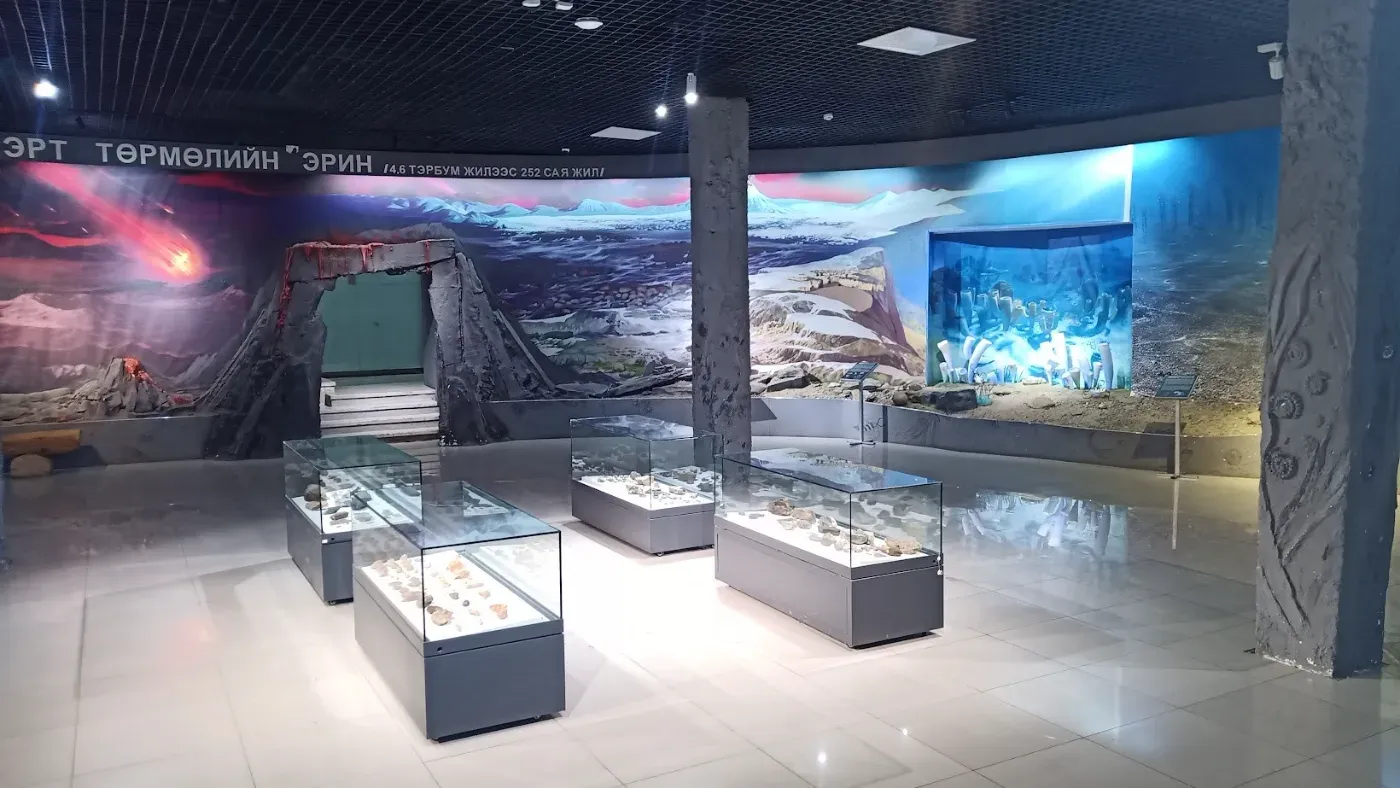
Hall Of Early Mining - The Paleozoic Era
The origin and development of life is divided into 4 major periods: Hadean, Archean, Proterozoic, and Phanerozoic. The Paleozoic era of the Paleozoic era includes the Archean, Proterozoic, and the Paleozoic era. This hall displays the general appearance of the Earth during the Paleozoic era, the general appearance of the biogeography of the six periods of the Paleozoic era, including the Cambrian, Ordovician, Silurian, Devonian, Carboniferous, and Permian, and rocks containing the imprints and remains of ancient animals such as microorganisms, mollusks, invertebrates, and vertebrates, and ancient plants such as gymnosperms, ferns, and artiodactyls found in the sediments of the Paleozoic era. The general appearance of the Earth during the Paleozoic period, the general biogeographical appearance of the 6 periods of the Paleozoic era, and the rocks containing the imprints and remains of ancient animals and plants found in the sediments of that era are exhibited.
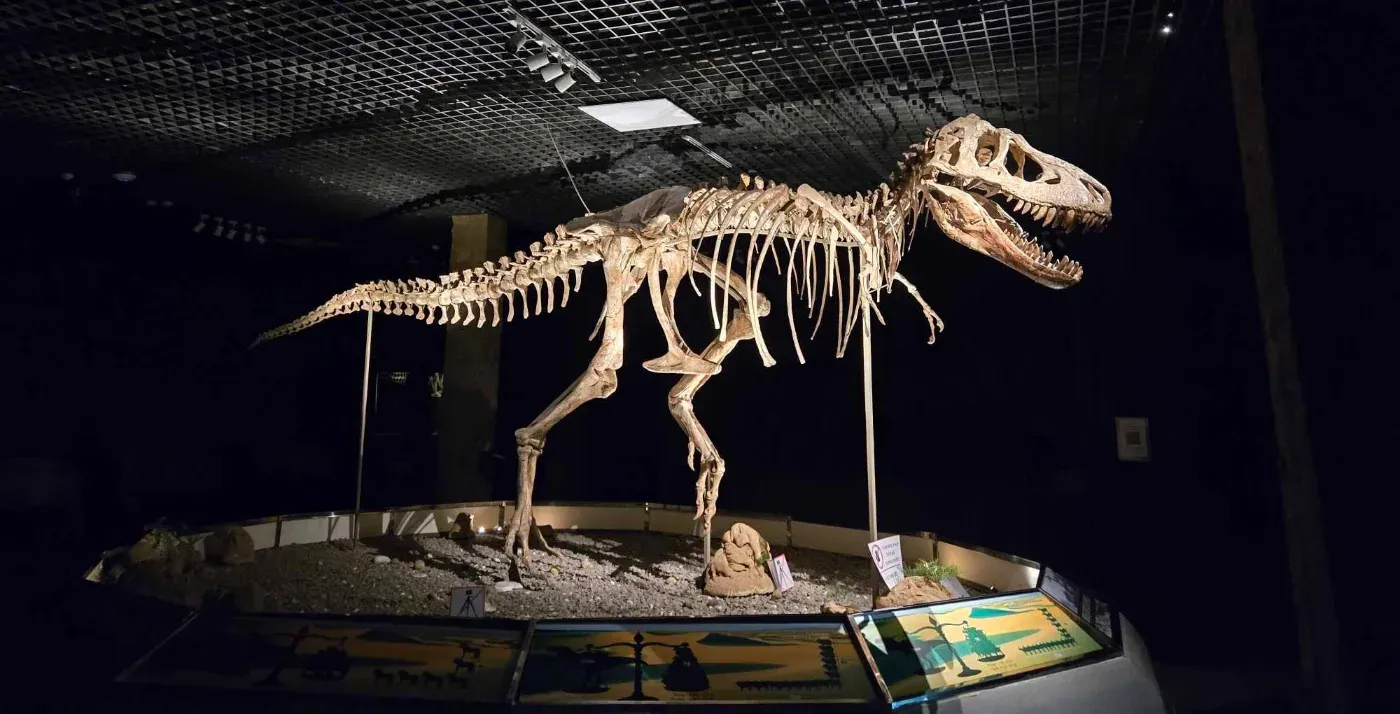
The Mesozoic Era
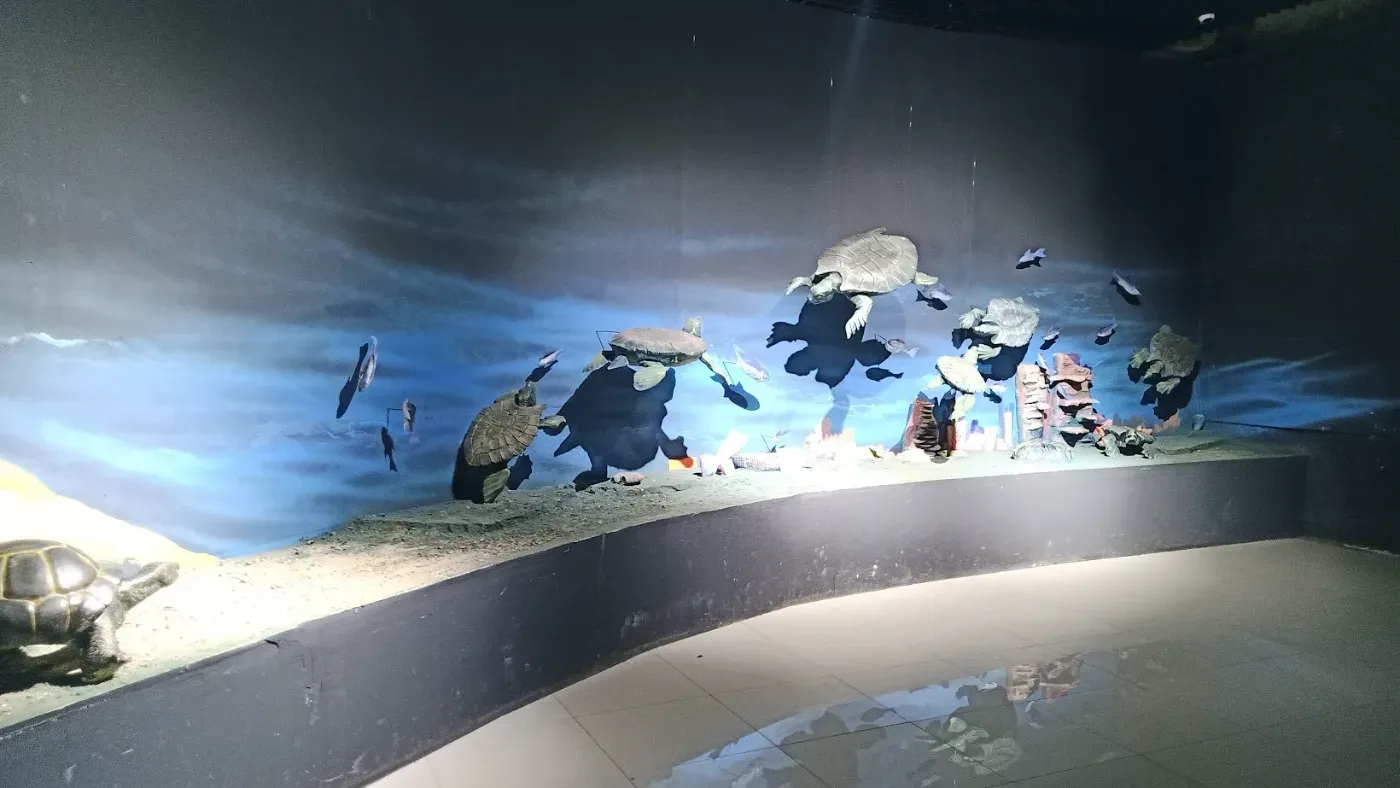
The Mesozoic era lasted 186 million years, and in this era crocodiles, snakes, and turtles developed, dinosaurs dominated, and dinosaur fossils belonging to the Late Cretaceous period are exhibited. The Mesozoic era lasted 186 million years, and in this era crocodiles, snakes, and turtles developed, dinosaurs dominated, and dinosaur fossils belonging to the Late Cretaceous period are exhibited.
The Mesozoic Era
The Mesozoic Era, or the age of middle life, spans approximately from 252 to 66 million years ago. During this period, dinosaurs dominated the Earth, alongside a wide range of reptiles, early mammals, and diverse marine life. Paleontological finds that showcase the rich biodiversity of this era—including fossils and imprints of ancient turtles, prehistoric fish, and marine invertebrates—are now on display in the museum's exhibition for the public to discover. The Mesozoic Era, or the age of middle life, spans approximately from 252 to 66 million years ago. During this period, dinosaurs dominated the Earth, alongside a wide range of reptiles, early mammals, and diverse marine life. Paleontological finds that showcase the rich biodiversity of this era—including fossils and imprints of ancient turtles, prehistoric fish, and marine invertebrates—are now on display in the museum's exhibition for the public to discover.
New Technology Hall - The Cenozoic Era
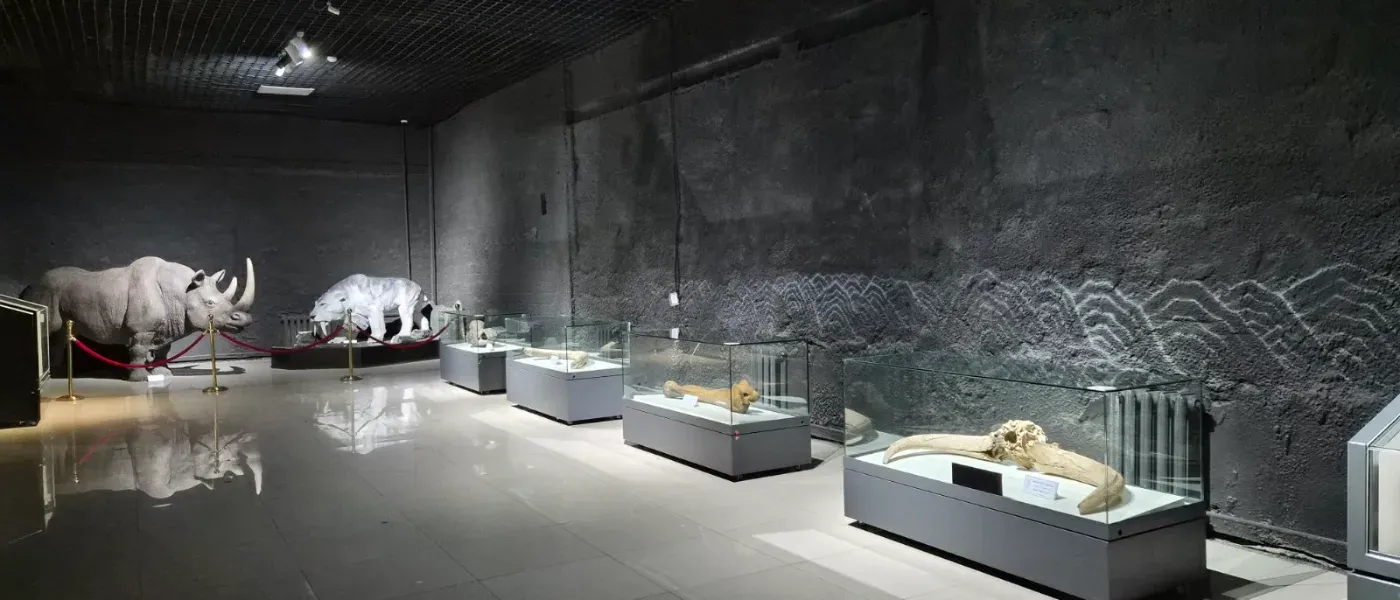
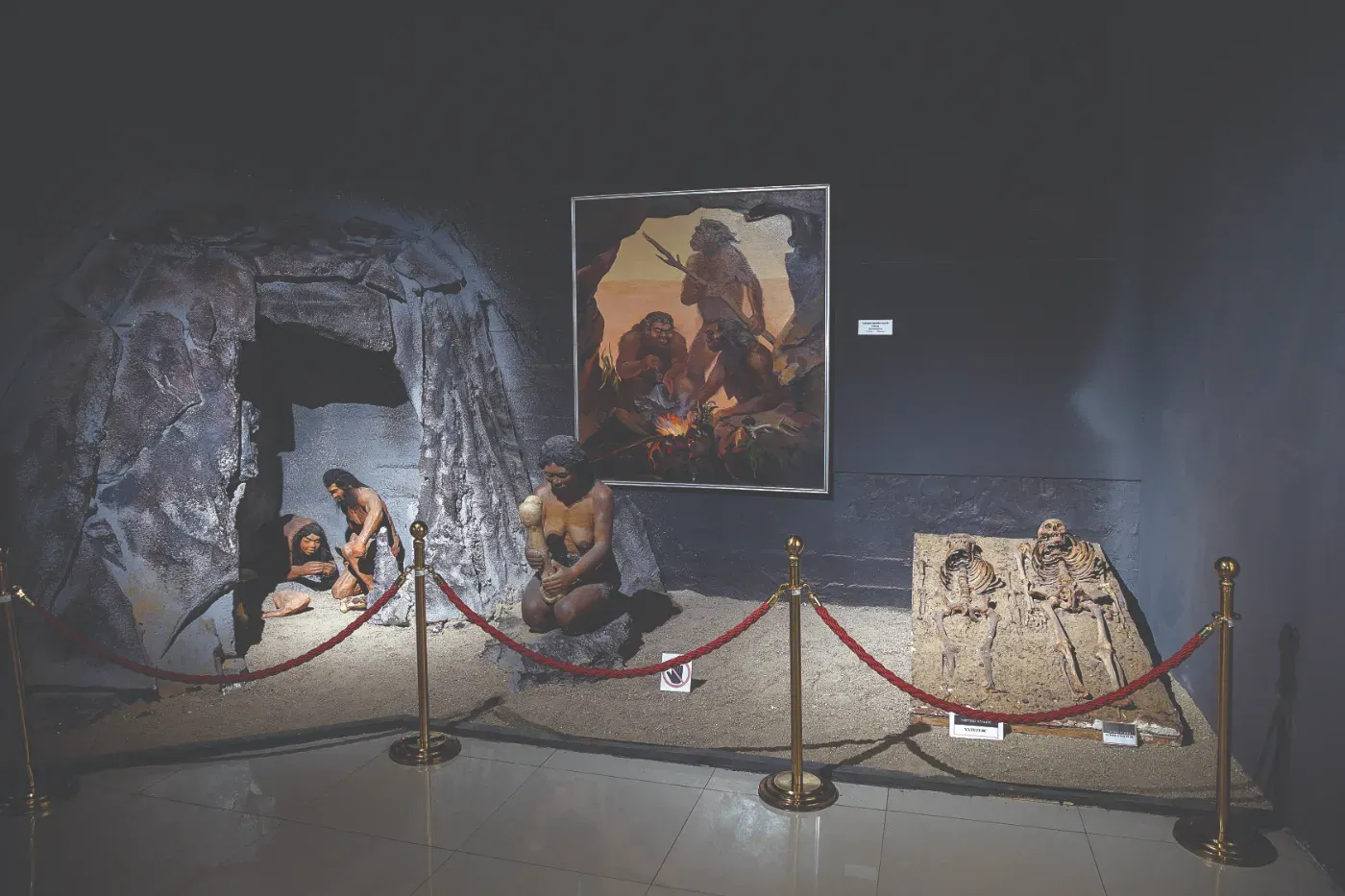
The Cenozoic Era is divided into three periods: Paleogene (65-23 million years ago), Neogene (23-2.5 million years ago), and Quaternary (1.8 million years ago to the present). During the Paleogene, dinosaurs became extinct, and flowering plants and mammals developed rapidly. During the Neogene, the current bird and mammal genera and species, mollusks, and the first apes emerged and developed, and large mammals flourished and died out. During the Quaternary, humans emerged and developed. This hall displays exhibits of the main representatives of ancient mammals found in Mongolia, such as lions, elephants, white rhinoceroses, and predatory animals, as well as exhibits showing the history of the origin and development of humans. In the Paleogene (65-23 million years), the dinosaurs completely disappeared, flowering plants and mammals evolved intensively, in the Neogene (23-2.5 million years), the genera and species of the current birds and mammals, soft-bodied animals, and the first apes emerged, large mammals developed, and evolution of modern humans during the Quaternary period (1.8 million years to the present) are exhibited.
Human evolution
Floor 2
Geography Chamber - Geography
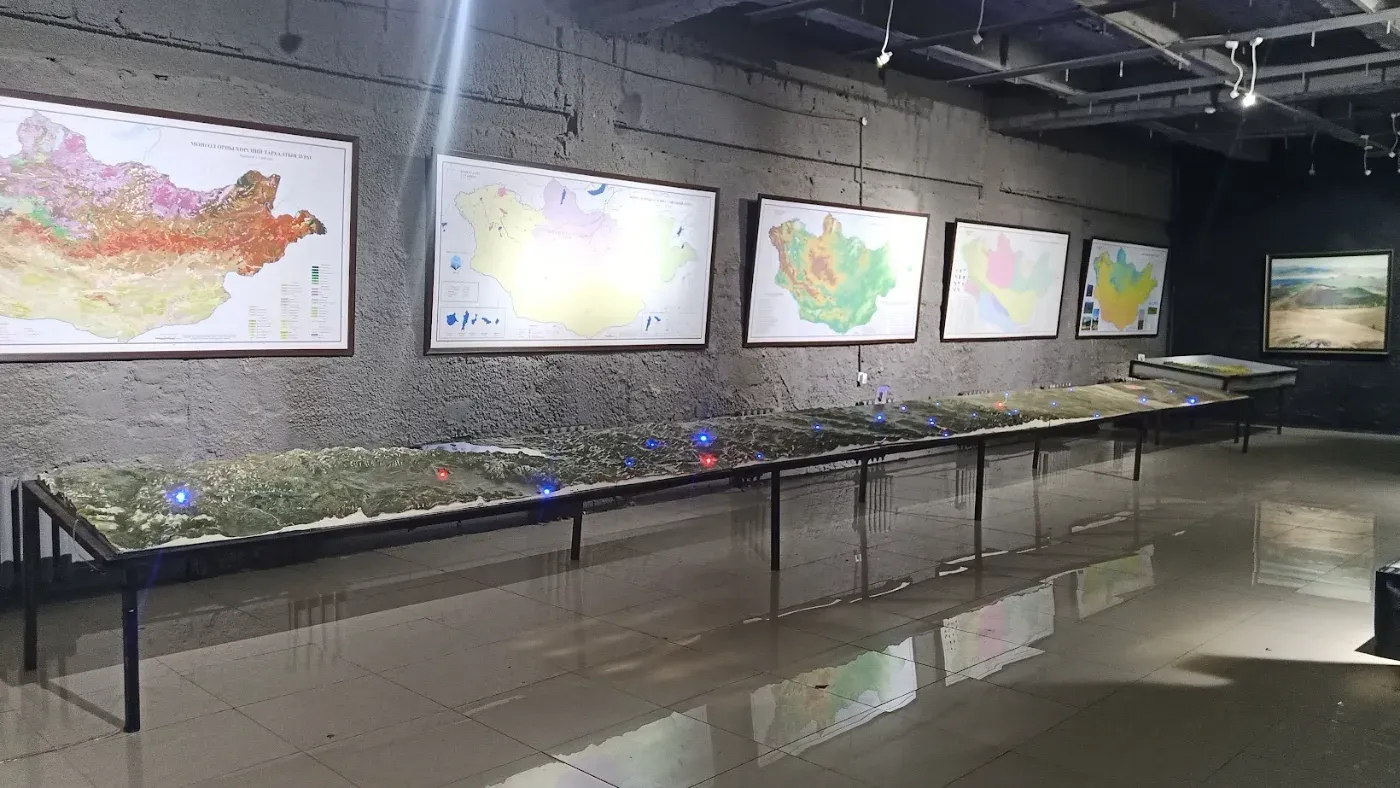
The hall aims to introduce the natural zones, flora and fauna, soil types, and surface hydrological networks of Mongolia. The mountain taiga belt, forest steppe, steppe, desert steppe, and desert zones in an area of 1259 km long and 120 km wide from the northernmost point of Mongolia to the southernmost point of Orvog-Khoryn Bor Tolgoi are exhibited in a three-dimensional presentation. The physical geography of Mongolia, and the features of the geographical belt extending from the northernmost point to the southernmost point of the country are exhibited in a three-dimensional presentation.
Geology Chamber - Geology
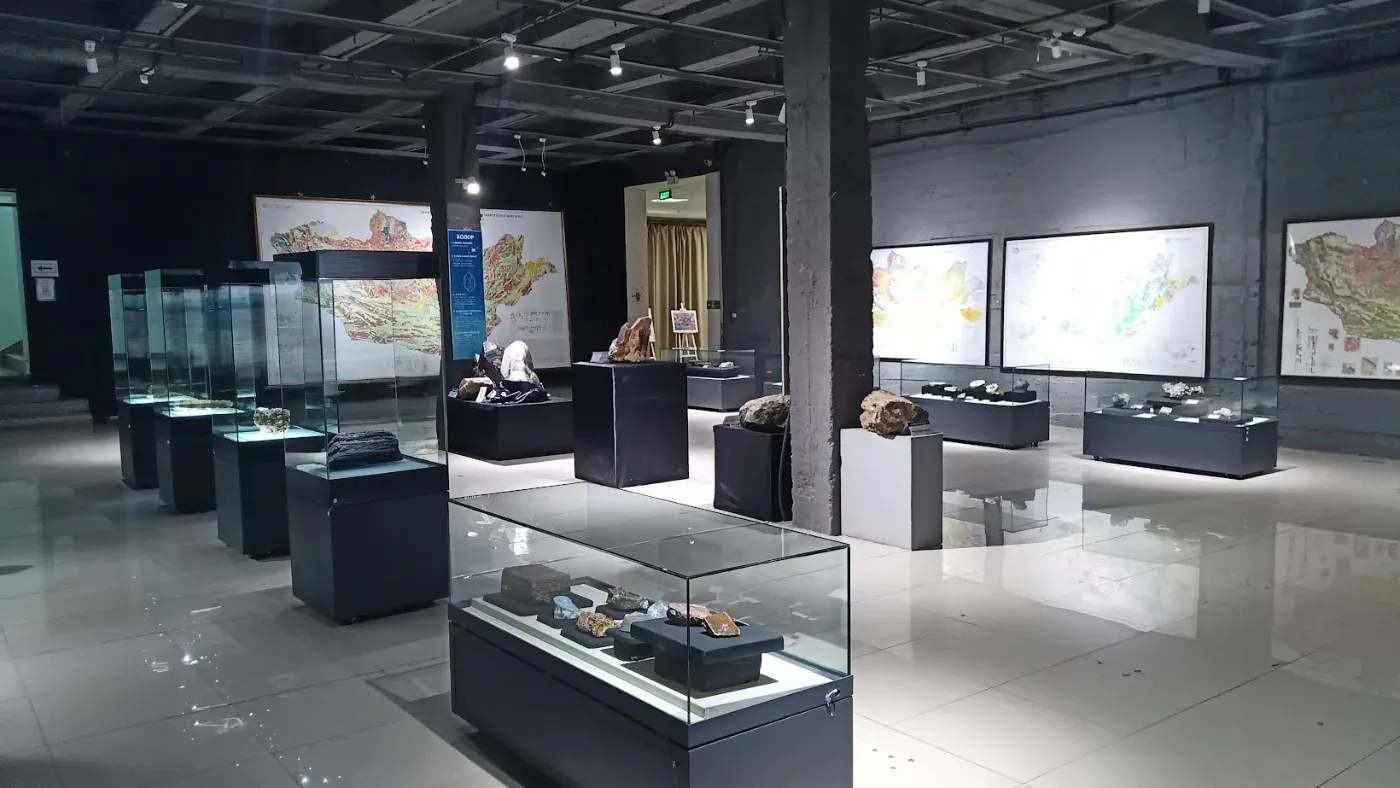
This is a hall that displays more than 70 minerals and rocks found in Mongolia and provides an understanding of their origin, classification, and physical properties. You can get an understanding of Mongolia's geology and distribution of minerals, samples of minerals and rocks, their origin, classification, and physical properties.
Invertebrates - Invertebrates
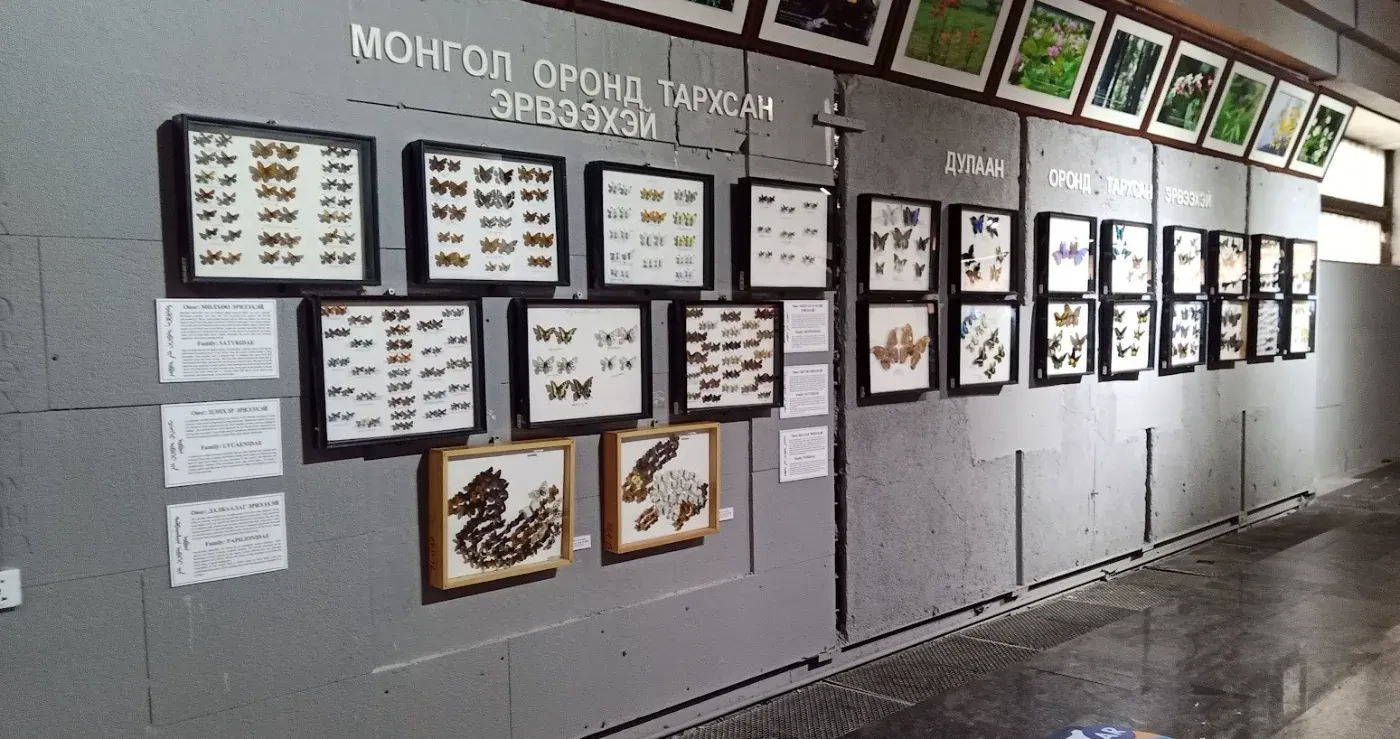
This hall is home to a collection of butterflies from Mongolia and foreign countries in warm regions of the Lepidoptera belonging to the order Arthropoda, which is a representative of invertebrates. 198 species of 11 families distributed in Mongolia and 344 species of 6 families distributed in foreign countries in warm regions are exhibited. A collection of butterflies from Mongolia and foreign countries in warm regions of the Lepidoptera belonging to the order Arthropoda, which is a representative of invertebrates are exhibited.
Fish, Amphibians And Reptiles Hall - Fish, Amphibians And Reptiles
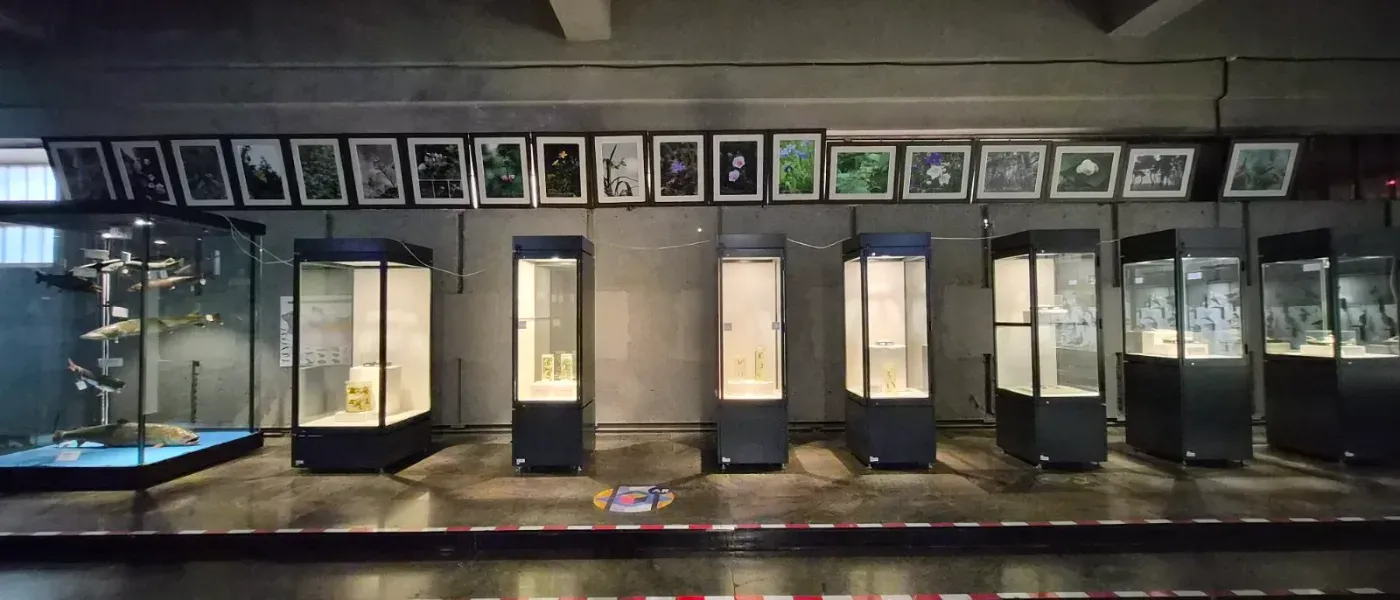
It gives an understanding of the taxonomy and distribution of fish, amphibians, and reptiles distributed in Mongolia and their representative species are presented. It gives an understanding of the taxonomy and distribution of fish, amphibians, and reptiles distributed in Mongolia and their representative species are presented.
Birds Hall - Birds
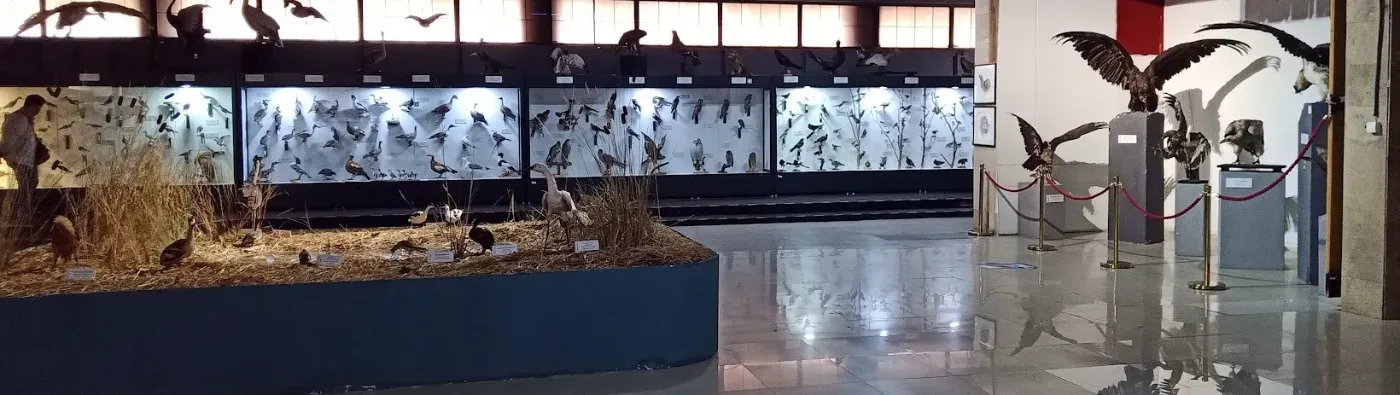
In this hall, 110 species of birds from the groups of geese, cranes, ospreys, black grouse, falcons, owls, chickens, pigeons, sparrows, and jays are arranged in taxonomic order, representing the diversity of Mongolian bird species. You can also find information about the ecology, biology and distribution of the National Pride Bird here. From the list of birds arranged in taxonomic order, you will understand the diversity, distribution, habitat differences and characteristics of birds in Mongolia. You can also find information about the ecology, biology and distribution of the National Pride Bird here.
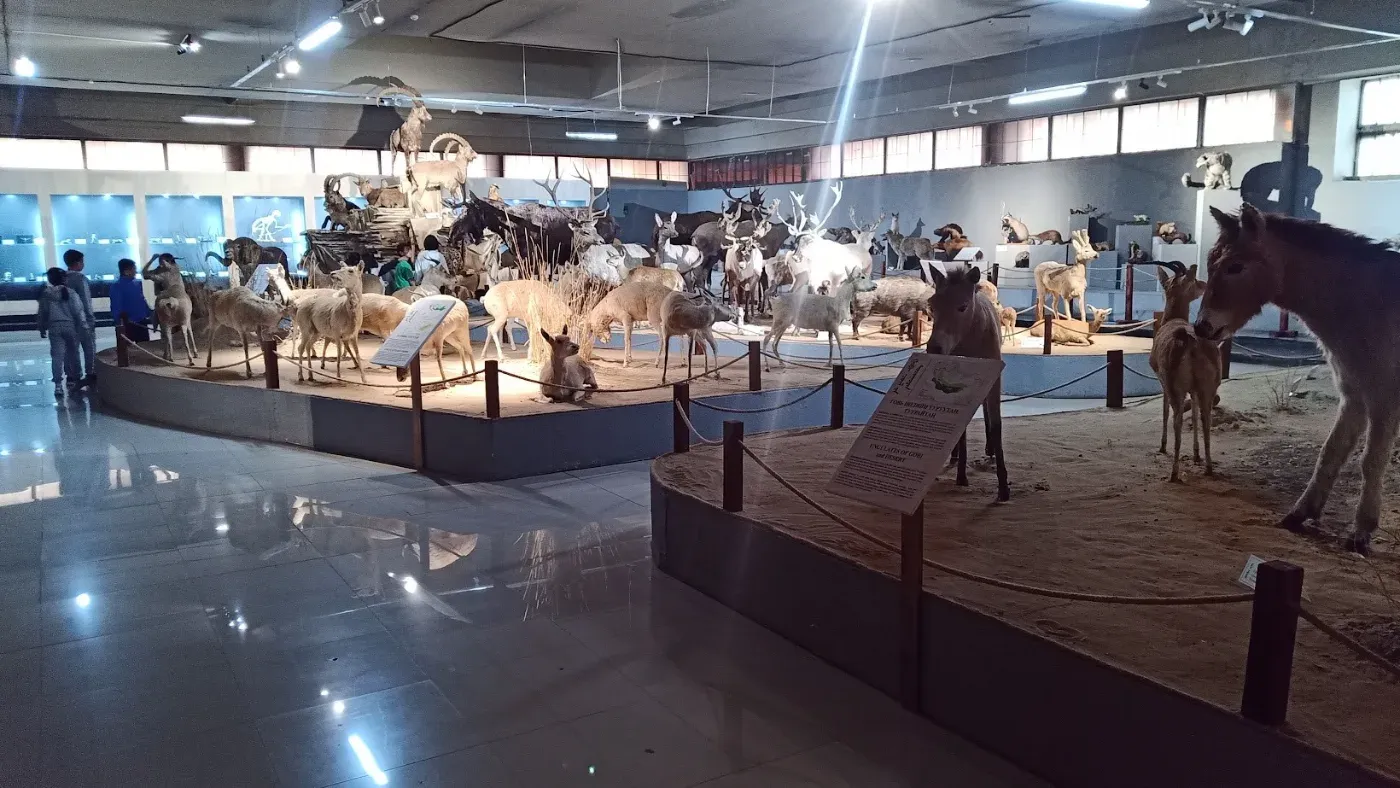
Mammals Hall
In this hall, the skeletons, which are the supporting organs of the mammal species distributed in Mongolia, as well as skull bones, various shapes of horns, habitats of animals, organization of nests, hedgehogs, rabbits, rodents, carnivores, and ungulates are displayed. In this hall, the skeletons, which are the supporting organs of the mammal species distributed in Mongolia, as well as skull bones, various shapes of horns, habitats of animals, organization of nests, hedgehogs, rabbits, rodents, carnivores, and ungulates are displayed.
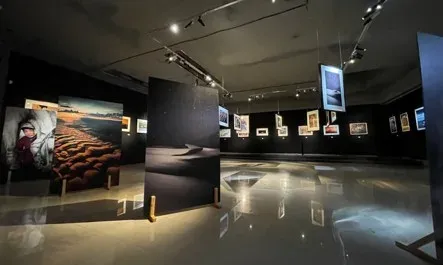
Temporary Exhibition Hall - Temporary Exhibition
It is a hall where the museum organizes joint temporary exhibitions with foreign and domestic organizations and individuals. It is a hall where the museum organizes joint temporary exhibitions with foreign and domestic organizations and individuals.